Source Anti Wrinkle Moisturizing Eye Cream for Dark Circles, Puffiness, and Aging
Find 30 verified options for anti wrinkle moisturizing eye cream designed to address dark circles, puffiness, and signs of aging. Compare ingredients like hyaluronic acid and retinol, packaging sizes, and private label capabilities from suppliers in Guangdong, China.
Key considerations
Products List
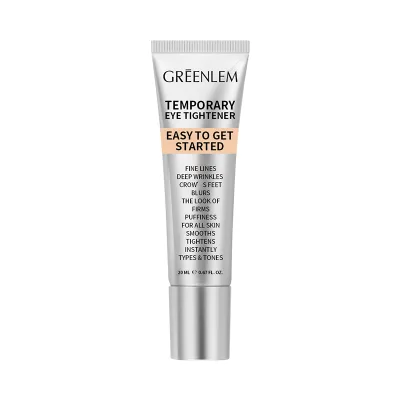
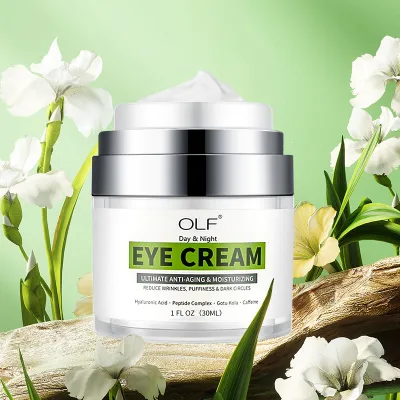
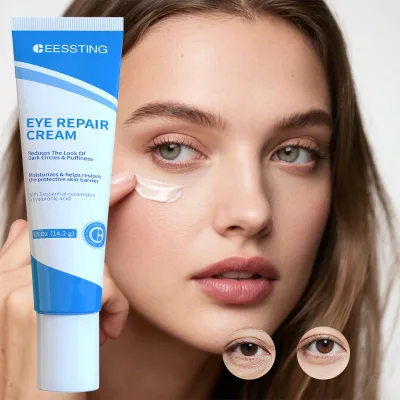
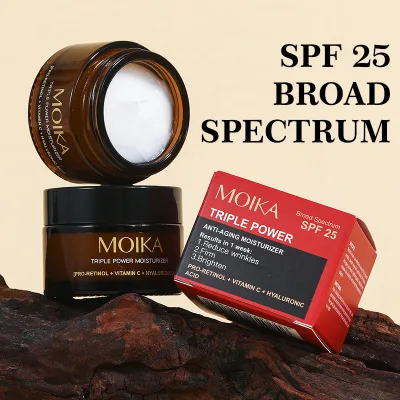
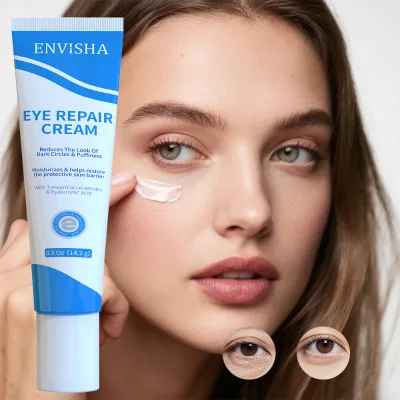
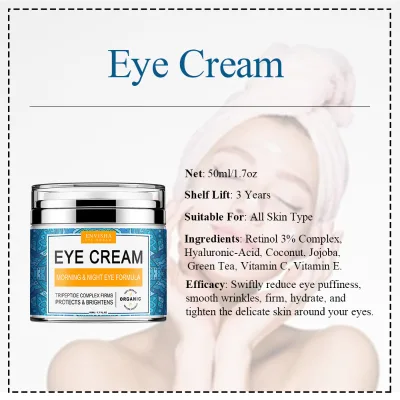
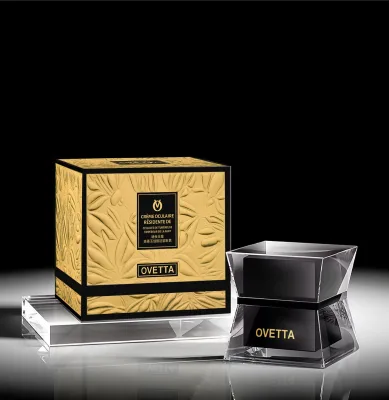


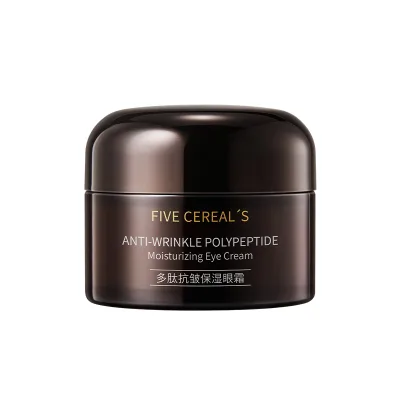
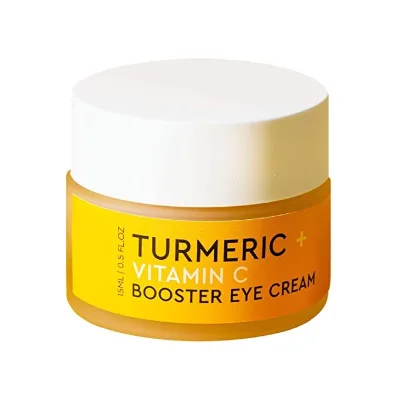
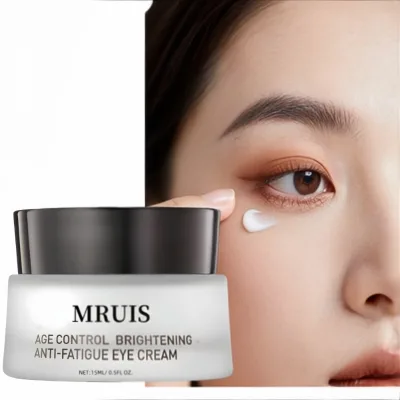


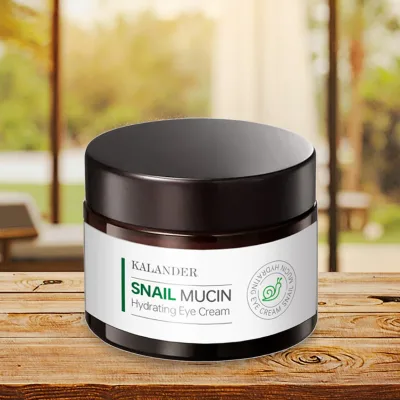


Comprehensive Sourcing Guide
Strategic Sourcing Guide for Anti-Wrinkle Moisturizing Eye Creams
Understanding Product Specifications and Formulation Variability
When sourcing anti-wrinkle moisturizing eye creams, buyers must first navigate a complex landscape of product specifications that vary significantly between suppliers. The core keyword "anti wrinkle moisturizing eye cream" encompasses a broad spectrum of formulations, each designed to address specific dermatological concerns such as puffiness, dark circles, and fine lines. Based on available market data, the physical form of these products is predominantly cream-based, with net weights typically ranging from 20ml to 50ml, though some custom options exist with volumes as low as 14.02g. The packaging dimensions also fluctuate, with single package sizes observed between 4.5x3.9x12 cm and 13x14x17 cm, indicating diverse branding and volume strategies.
A critical technical observation is the variability in active ingredients. While Hyaluronic Acid is a ubiquitous component found across multiple product listings, serving as a primary hydrating agent, the secondary actives differ widely. Some formulations prioritize Retinol and Caffeine for their anti-aging and de-puffing properties, while others incorporate a broader palette including Vitamin E, Vitamin C, Niacinamide, and Peptides. More specialized blends may include Dead Sea Salt, Aloe Vera, Emu oil, Pearl, Shea Butter, Collagen, Pro-Xylane, and Carnosine. This diversity means that a buyer cannot assume a single standard formulation exists; instead, they must define their specific ingredient requirements early in the sourcing process. The intended effect is consistently described as hydrating, moisturizing, and smoothing, with specific claims often targeting the reduction of dark circles and the brightening of the eye area.
Compliance, Safety, and Ingredient Transparency
In the realm of cosmetic procurement, compliance and ingredient transparency are paramount. The market data indicates a strong trend toward "clean" beauty attributes, with many suppliers highlighting that their products are Paraben-Free, Sulfate-Free, Silicone-Free, and Fragrance-free. Furthermore, a significant portion of the supply chain emphasizes ethical and natural standards, with products frequently labeled as Vegan, Cruelty-Free, Organic, and Herbal. However, buyers must exercise caution and verify these claims rather than accepting them as universal facts. The presence of "Natural organic" as a selling point suggests a need for rigorous documentation of organic certification, which is not explicitly confirmed for all listed items.
Safety standards regarding shelf life are also a key consideration. Observed data points to a standard shelf life of 3 years or 36 months for these products, a figure that buyers should cross-reference with local regulatory requirements in their target markets. While some products are described as "Oil-Free" or "Non-Greasy," these are functional attributes that require verification through texture testing. The absence of specific certification names in the general data implies that buyers must request third-party test reports, such as those from ISO or specific dermatological testing bodies, to validate safety and efficacy claims. The "Private Label Logo Package" and "Customized Logo" options further complicate compliance, as the supplier must ensure that the final branded product meets all regulatory standards of the destination country, including labeling laws for ingredients and warnings.
Cost Drivers and Minimum Order Quantity Dynamics
The financial structure of sourcing eye creams is heavily influenced by Minimum Order Quantity (MOQ) requirements and customization levels. The observed MOQ range is extensive, spanning from 100 pieces to 5,000 pieces. This wide variance suggests that the market is segmented between suppliers catering to small startups or drop-shippers and those serving large-scale distributors. A lower MOQ of 100 pieces may come with a higher unit cost, while an MOQ of 5,000 pieces likely offers economies of scale but requires significant capital commitment. The listed price range in the market is observed between $0.37 and $11.99 USD, a spread that reflects differences in ingredient quality, packaging complexity, and order volume.
Customization is a primary cost driver. Suppliers offering "OEM ODM Private Label" services and "Customized Logo" capabilities typically charge premiums for these services. The ability to create a unique brand identity, including custom packaging sizes and specific ingredient blends, adds layers to the cost structure. Buyers should anticipate that products with "No Logo" or generic branding will be the most cost-effective, while fully branded, private-label solutions will command higher prices. Additionally, the "Single item" selling unit suggests that some suppliers may offer samples or trial batches, which can be useful for quality assessment before committing to larger orders. The net weight of the product also directly impacts the cost per unit, with 50ml options generally costing more than 20ml variants due to the higher volume of raw materials.
Supplier Evaluation and Manufacturing Capabilities
Evaluating suppliers for eye cream production requires a focus on their manufacturing capabilities and service models. The data indicates that many suppliers are located in Guangdong, China, a region known for its robust cosmetic manufacturing infrastructure. These suppliers often provide comprehensive services including OEM (Original Equipment Manufacturer) and ODM (Original Design Manufacturer) options, allowing buyers to either use existing formulas or develop custom ones. The availability of "Private Label" services is a strong indicator of a supplier's flexibility, enabling brands to launch products quickly without the need for in-house formulation expertise.
When assessing potential partners, buyers should look for evidence of "Service: OEM ODM Private Label" capabilities. This suggests the supplier can handle the entire process from formulation to packaging. However, the presence of a "No Logo" or "Brand Name: Colif" in some listings highlights the importance of verifying the supplier's ability to produce unbranded goods versus branded goods. Buyers must ensure that the supplier can maintain consistency across batches, especially when dealing with complex ingredient lists that include sensitive actives like Retinol or Vitamin C. The "Shelf Life: 3 Years" claim should be backed by stability testing data provided by the manufacturer. Furthermore, the "Customized logo: yes" or "private label" attributes indicate that the supplier has the technical capacity for packaging customization, which is essential for brand differentiation.
Quality Control and Performance Verification
Quality control (QC) is the linchpin of successful procurement in the cosmetic industry. Given the diverse range of ingredients and the sensitive nature of eye-area products, rigorous QC protocols are non-negotiable. Buyers should verify that suppliers conduct stability testing to ensure the product maintains its efficacy and physical properties over the claimed 3-year shelf life. The "Advantage: Natural organic/Non-Greasy/Fast-Absorbing" claims found in product descriptions must be validated through sensory panels and instrumental analysis. For instance, the "Fast-Absorbing" attribute requires specific viscosity and spreadability tests to confirm.
Performance verification is equally critical. Claims such as "Instantly Remove Eye Skin Problems" or "Reduces the look of dark circles and puffiness" are marketing statements that require clinical or consumer testing data to substantiate. Buyers should request these test results before finalizing an order. The "Efficacy" of the product is often linked to its main ingredients, such as the combination of Hyaluronic Acid and Retinol. A robust QC process should include checks for microbial contamination, heavy metals, and the accurate concentration of active ingredients. Since the product is intended for "All Skin Types," including Normal, Oily, and Dry, the formulation must be tested for compatibility across these skin types to prevent adverse reactions. The "Single gross weight" of 0.200 kg for a specific package size also serves as a check for packaging consistency and fill accuracy.
Long-Term Procurement and Market Adaptability
Sourcing anti-wrinkle moisturizing eye creams is not merely a transactional activity but a strategic partnership that requires long-term planning. The market trend toward "Natural organic" and "Vegan" products suggests that buyers should anticipate shifting consumer preferences and ensure their suppliers can adapt to these changes. The ability to source "Other" ingredients like Seaweed, Camellia, or Glycyrrhizin indicates a supply chain that can pivot to incorporate trending botanicals. Buyers should also consider the scalability of their supplier. An MOQ of 5,000 pieces may be suitable for a launch, but the supplier must have the capacity to ramp up production if the product gains traction.
Logistics and lead times are other long-term considerations. While specific lead times are not provided in the data, the "Place of Origin: Guangdong, China" implies a need to account for international shipping times and potential customs delays. The "Single package size" variations also impact shipping efficiency and storage costs. Buyers should negotiate terms that allow for flexibility in order quantities to manage inventory risks. Additionally, the "Private Label" aspect means that the supplier must be reliable in maintaining brand integrity over time. As the market evolves, the ability to update formulations or packaging without disrupting the supply chain will be a key differentiator. Finally, buyers should monitor the "Selling Units" and "Net Weight" trends to ensure their product remains competitive in terms of value and size relative to market standards. By focusing on these long-term factors, buyers can build a resilient supply chain that supports sustainable growth in the competitive eye care market.
FAQs
What are the main ingredients in these eye creams?
The main ingredients typically include Hyaluronic Acid, Retinol, and Caffeine. Some formulations also feature Vitamin E, Vitamin C, Niacinamide, and various botanical extracts like Aloe Vera or Chamomile to enhance hydration and anti-aging effects.
Can I get a private label logo on the packaging?
Yes, private label logo packaging is available for customization. Suppliers offer OEM and ODM services to apply your specific branding, though you must verify the minimum order quantity requirements which can range from 100 to 5000 pieces.
What is the typical shelf life of the product?
The standard shelf life for these eye creams is three years. This duration is consistent across most listings, but buyers should request stability test reports to ensure the product maintains efficacy and safety over this period.
Which skin types are compatible with these eye creams?
These products are generally formulated for all skin types, including normal, oily, and dry skin. The ingredients are selected to be non-greasy and fast-absorbing, making them suitable for daily care routines across different skin conditions.
How much is the minimum order quantity for bulk purchase?
The minimum order quantity varies significantly between suppliers, ranging from 100 pieces to 5000 pieces. Lower MOQs may suit startups, while higher volumes often provide better economies of scale for established distributors.
Where are these eye creams manufactured?
The products are primarily manufactured in Guangdong, China. This region is known for its robust cosmetic manufacturing infrastructure, offering various OEM and ODM capabilities for international buyers seeking cost-effective production solutions.